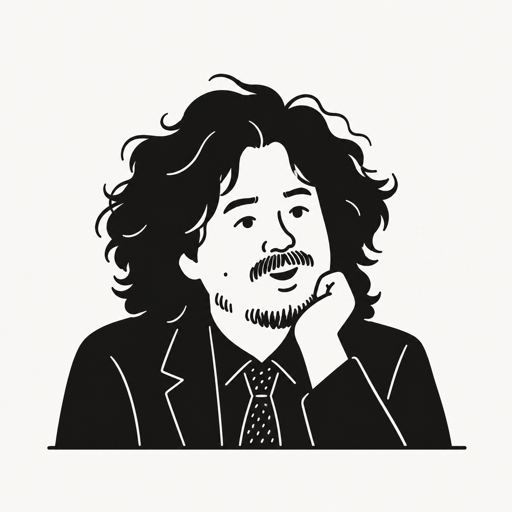
 User-provided artwork
AI and democracy, Cho Hee-dae impeachment and Politics of friendship
A fan’s reflection
I was humbled by their insight.
This unofficial fan edition translates our reviewed Korean editorial summaries, not full broadcast transcripts. It is not an official programme publication or independent fact-checking. Statements and viewpoints remain attributable to the original speakers; consult the linked Korean sources for context.
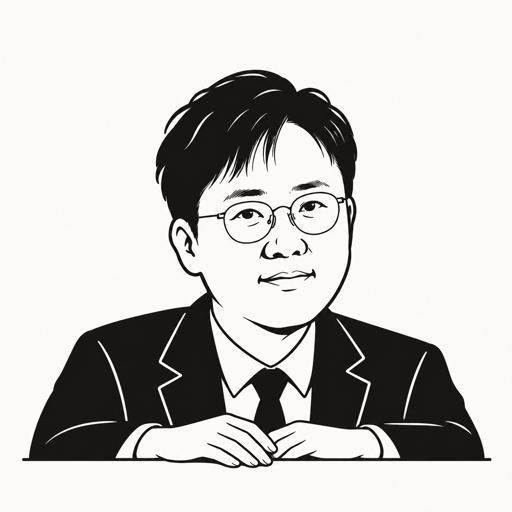
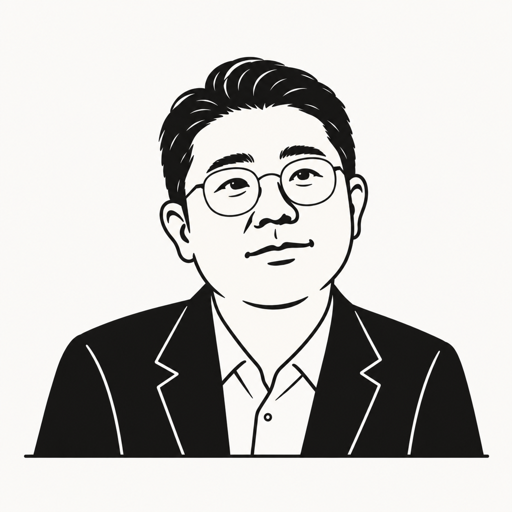
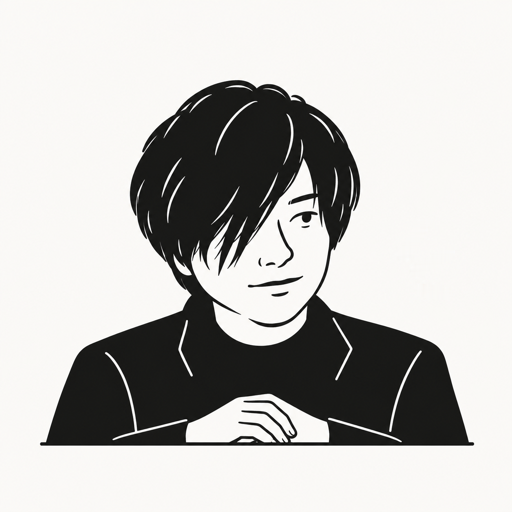
Guest names use editorial romanizations. Korean identities remain available in portrait descriptions and linked Korean profiles. Illustrations are caricatures, not photographs.
01 / Centennial Forum
Alleged electoral influence by platforms and AI, and proposals for citizen fact-checking and technological sovereignty
- Kim Hee-kyo
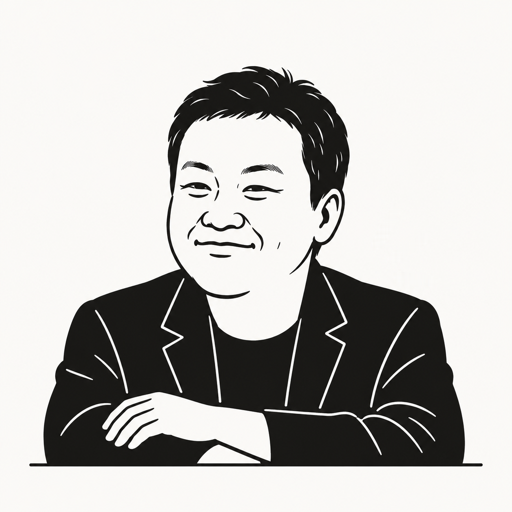 AI generated
- Park Tae-woong
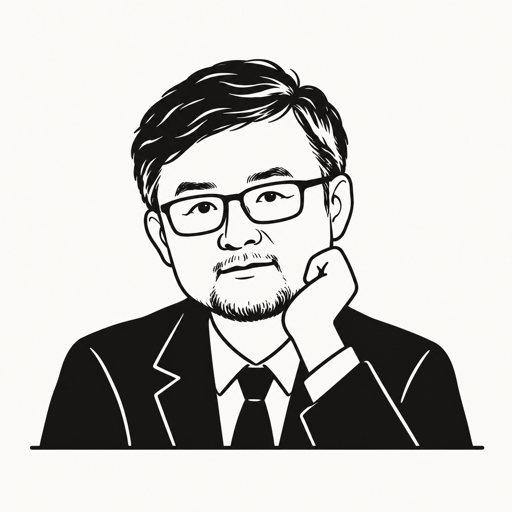 AI generated
- Lee Jung-hwanCaricature pending
- Kwon Oh-hyunCaricature pending
Park Tae-woong described allegations surrounding Brazil’s presidential election, including the suspension of Lula’s advertising promotions and differential operation of candidate recommendations and AI image generation, and reported Meta’s explanation that these involved technical errors and election-filter problems. The interpretations offered by Kim Eo-jun and the guests concerning deliberate intervention and collusion with political power remain allegations; this transcript alone cannot establish who was behind the events or their effect on the election result. Lee Jung-hwan explained that recommendation screens that differ from user to user and policies governing news exposure make it difficult for citizens to monitor platforms’ influence, and introduced research on recommendation exposure on X, but the text did not provide sufficient detail on the study’s design and limitations. Lee warned of the “liar’s dividend,” whereby cynicism that so much is fake can instead benefit those spreading lies. Kwon Oh-hyun explained data poisoning that contaminates AI training material and groups of AI commenters, and said that, following a tip from an international activist network, Kwon’s organization had analyzed and corrected a video that passed off footage of an earlier rally as a rally calling for President Lee Jae-myung’s resignation. Recounting past sanctions against FactCheckNet and its subsequent recovery as personal experience in activism, Kwon called for expanded citizen-participation fact-checking and democracy R&D. Kim Hee-kyo interpreted AI as a question of international hegemony and technological sovereignty, but saw continued possibilities for competition, citizens’ choices, and new public initiatives, and called for an active government role. Park Tae-woong proposed cooperation among middle powers and demanded that platforms disclose their algorithms and demonstrate neutrality. Kim Eo-jun announced a proposal to begin the “Ppatta Project” the following week, with Parti, experts, and citizens building up material together. This was a proposal, not a completed initiative, and the overseas examples, history of domestic sanctions, and research findings are summaries of the guests’ accounts, not independent verification.
READING GUIDE
Lead story keywords
- 01AI and democracy
- 02Algorithms
- 03Citizen fact-checking
- 04Technological sovereignty
More perspectivesTHE REST OF THE DAY
04 / Arts and Culture Forum
Change and solidarity through the Gwangju Biennale, soul music, the stage, and novels
- Yang Da-sol
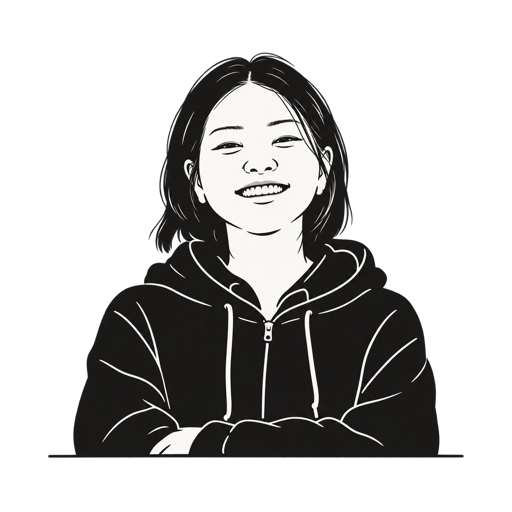 AI generated
- Oh Dae-wooCaricature pending
- Lee Dae-hwaCaricature pending
- Jang Kyung-jinCaricature pending
The Arts and Culture Forum took the form of a conversation in which guests from different fields introduced exhibitions, music, performances, and books. Oh Dae-woo introduced “Neol Wihan Munhwa Yesul,” which Oh operates, as a business producing visual-art content and undertaking exhibition- and artwork-related projects, and recommended the Gwangju Biennale. Explaining the theme “You Must Change Your Life” through its connection to Rilke’s poem, Oh read the inclusion of Jeju volcanic rocks as participating artists and paintings from the May Mothers’ House in terms of change and healing. When the host reacted that treating volcanic rocks as artists seemed forced, Oh offered the personal impression that seeing them alongside other works at the venue had made the context understandable. Oh also introduced an exhibition of gilded volcanic rocks reportedly seen at the Lee Jang-woo House in Yangnim-dong. These explanations are Oh’s introduction and interpretation of the exhibitions, not the result of separate checks of Biennale or related institutional materials. Lee Dae-hwa recommended TASTE by Cosmic Chips, introduced as a band featuring Jung-yup, for its vintage soul and funk sound, mentioning “Lonely, Lovely” and “BABY BABe.” Lee praised a musician successful in the mainstream for choosing a new direction in a genre-focused band. Lee then introduced the activities of Lee Soo-man and A2O LITE as a topic of interest, assessed the musical sensibility involved, and said young idols need protection and assistance from their agencies as they become famous. Chart positions, fastest-time records, and members’ ages mentioned in the conversation were not included as separately verified facts. Jang Kyung-jin introduced the music-theater work Island: 1933–2019 as interweaving the stories of people with Hansen’s disease on Sorokdo and a family raising a son with a developmental disability. Explaining the lives of nurses Marianne and Margaret as the work’s starting point, Jang interpreted it as asking how to move forward together rather than stopping at identifying prejudice and discrimination, and connected “The Time When Love Stayed,” in which different actors’ voices form a harmony, to that message. Jang also recounted the performers’ abilities in the musical Frozen and the experience of an audience of varied ages cheering the same songs. Jang explicitly corrected that the audience members who arrived in dresses were children. Prompted by news of resistance movements in France, Yang Da-sol recommended rereading Les Misérables, interpreting it as a novel examining the history of revolution and people excluded from liberty and equality. Yang then recommended Ye So-yeon’s That Dog’s Revolution, explaining that the father’s death and the daughter’s act of bringing a dog to the funeral allow multilayered readings of small personal changes and the history of resistance. The works’ plots, impressions, and the guests’ interpretations of their times were distinguished from verified biographies or established historical and award information.
05 / Meet at Noon
Uneasy supply and demand in Korean equities, Solidigm listing concerns, and analysis of big-tech earnings and AI investment
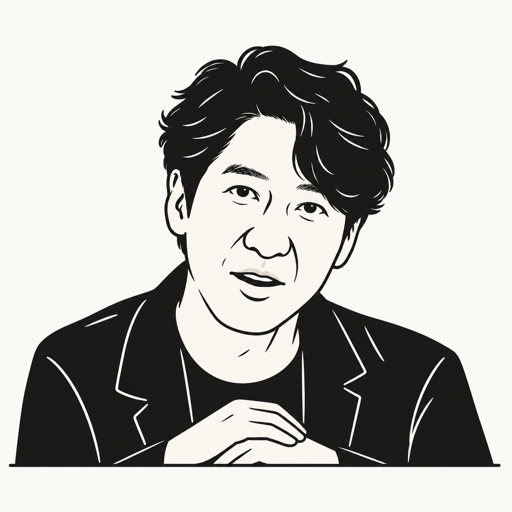
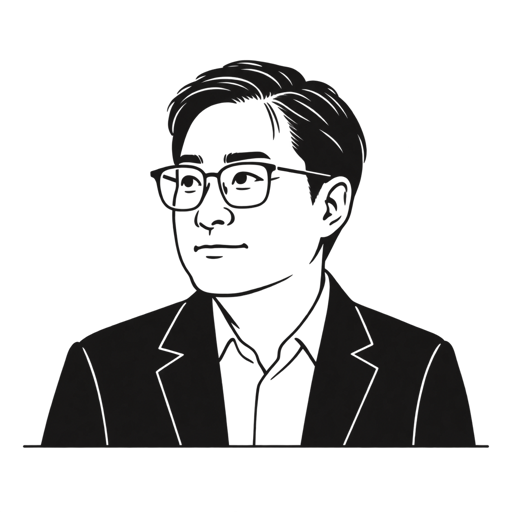

Lee Gwang-su, Park Si-dong, and Kwon Da-young examined intraday declines in Korean equities, led by large semiconductor stocks, despite a rebound in U.S. technology shares and Meta’s earnings announcement. Alongside an interpretation of short-term profit-taking, they discussed an explanation that anxiety among holders who had suffered large falls and wanted to reduce their exposure on a rebound was weighing on supply and demand. While introducing analysis that read declining trading value as entry into a prolonged trading range, they distinguished an alternative interpretation that reduced selling volume could permit recovery if a catalyst for reversal emerged. They also introduced KB Securities’ forecast of a W-shaped rebound and its undervaluation argument, while noting that low valuations alone would not immediately change investor sentiment. Comparisons of returns and volatility in domestic and overseas equities likewise reflected the guests’ judgments and do not guarantee a market recovery. On a U.S. listing for Solidigm, the analysis was that, separately from the end of SK hynix’s share buyback, duplicate listings and valuation differences between domestic ordinary shares and U.S. ADRs raised concerns about further discounts. U.S. lobbying registrations and reports of listing preparations led the guests to consider a listing likely at that time, but this was the outlook at the October 22 broadcast, not a completed listing. They discussed limits to legal means of directly blocking an overseas listing and argued for legislation and greater trust in Korea’s capital market. Even after reporting in the opening that a petition to reconsider the mandatory tender-offer system had reached the required number of endorsements, they made clear that this was a starting point for demanding parliamentary discussion, not successful amendment of the law. In the Meta earnings reviewed by Kwon, the positive aspects of revenue and forward guidance were considered separately from a free-cash-flow (FCF) deficit and plans to introduce nonvoting Class C shares. The explanation that weak earnings per share stemmed from a one-off expense relating to youth mental-health litigation was the company’s explanation as relayed by the broadcast. Plans to expand AI-service users and monetize paid features, transaction intermediation, and advertising were also distinguished from profits already realized. Lee thought the results had not sufficiently dispelled concerns about investment across the industry, while Park was positive about synergies between consumer touchpoints and the existing advertising business but worried that new share issuance could weigh on the stock price in future. Amazon’s blocking of the service in question and developments in competing models were also mentioned. On Tesla, the discussion covered growth in FSD subscriptions and the potential for recurring revenue, along with the company’s account of robotaxi operations. Despite the description of Optimus as being in early production, the guests said specific production volumes and the timing of full-scale mass production were difficult to establish, and did not treat construction of Texas facilities or future trial-operation plans for in-house semiconductor facilities as completed achievements. Discussion of a separate robot-unveiling event or connections among businesses reflected the guests’ speculation and visions. Contrasting this with Korean companies’ business spin-offs and duplicate listings, they argued that companies should invest earned profits in long-term businesses and build trust with shareholders. They explained competition across AI models, platforms, consumer services, and physical AI, while also raising the risk of everyday touchpoints becoming concentrated in particular companies. The discussion of Nvidia’s GTC Berlin announcements introduced an expanded supply chain including Samsung Electro-Mechanics, plans to launch modular data-center units and shorten construction periods, agent security, and physical AI. The idea that shorter schedules could reduce financing costs and the risk of delayed revenue under high interest rates was the guests’ interpretation, not independent confirmation of the efficiency and revenue claims in the announcements. They also relayed an outside figure’s view that expanding data centers would lower computing costs. Reviewing Samsung E&A’s improved results and guidance and its share-buyback and cancellation plans, they said the impact of affiliates’ semiconductor-facility investment on profits needed examination. After reviewing news of the Bank of Korea holding its policy rate and its growth and inflation outlooks, they interpreted the possibility of subsequent hikes, reported intraday weakness rather than closing figures, and concluded that they would watch semiconductor-company IR events and big-tech earnings the following week. This summary recounts the broadcast based on the official video’s Korean auto-captions; it is not an investment recommendation or a guarantee of returns or a market bottom.
This source includes automatic captions. They may contain errors and are not a verified transcript.
06 / The Hong Sa-hoon Show
Debating a structural majority, trust within the Democratic Party, presidential communication, and investigative neutrality
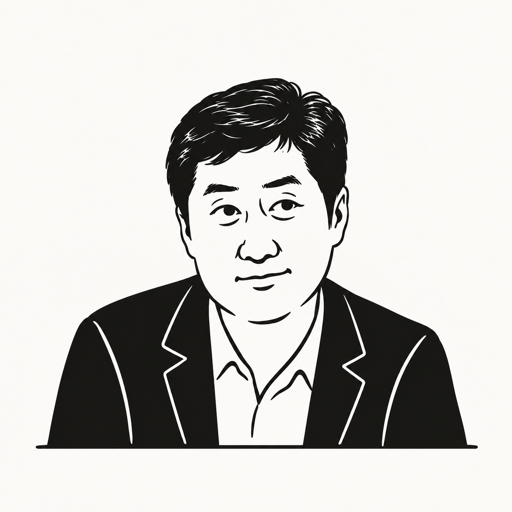
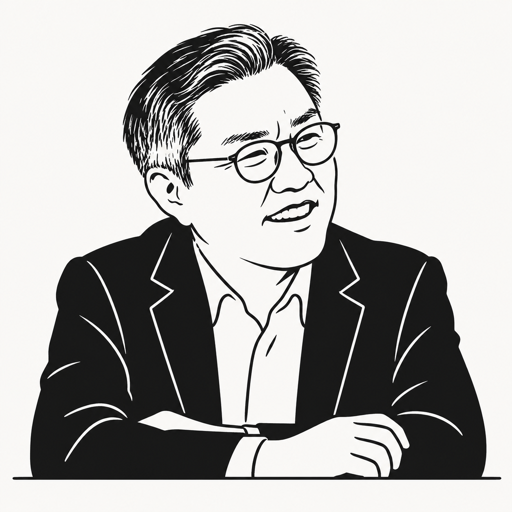
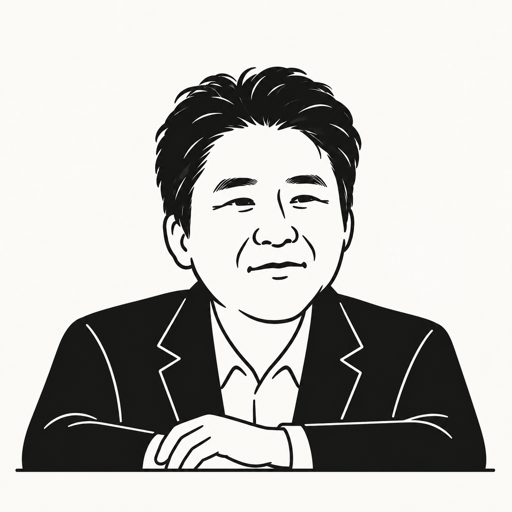
Hosted by Hong Sa-hoon with former lawmaker Choi Kang-wook and lawyer Jung Pil-seung, the discussion examined President Lee Jae-myung’s remarks on the need for a structural majority from the perspectives of Democratic Party cohesion and outreach to the center. At the start of the main broadcast, news that a Kim Keon-hee appeal had been assigned to the Supreme Court’s Second Division prompted forecasts about the possibility of an additional detention warrant. The discussion covered the role of the justice in charge, designation of an entrusted justice, and possible referral to the full bench, but did not mean a warrant or referral had actually been decided, and also noted that forecasting was difficult because such issues were rarely handled at the Supreme Court stage. Criticism concerning Chief Justice Cho Hee-dae’s intentions is likewise presented as the guests’ assessment, not confirmed judicial intervention. In the main discussion, they worried that wording to the effect that unity within the progressive camp alone was insufficient could sound dismissive of existing supporters’ cohesion. Rather than rejecting outreach to centrists itself, their argument was that persuading outsiders requires values and policies that first persuade insiders, and that past election victories and voters’ participation and sense of efficacy should be revisited. One guest who reported meeting presidential-office aides said it felt as though the function of conveying existing supporters’ hurt feelings was lacking compared with the aides’ focus on policy achievements and centrist voters. This was an account based on that guest’s own meeting and interpretation, and the guest said it was unknown whether those views had actually been reported to the president. On the president’s social-media use, they also warned that posts following an apology could create fresh misunderstandings, calling for aides to check posts in advance and for restrained explanations attentive to public feelings. One guest also relayed that aides the guest had met explained that the president, too, needs a channel on social media to appeal directly and express personal feelings. Criticism that Democratic Party lawmakers, after repeated electoral victories, watched those controlling nominations more than the public’s judgment was described as a “winner’s curse,” and the guests argued, hypothetically, that attempting reform through Cho Hee-dae’s impeachment even if the Constitutional Court rejected it differed from not attempting it for fear of a backlash. This was not a report of an actual impeachment and rejection. In response to the assertion that party leader Kim Min-seok had verified facts and testimony about organized Shincheonji enrollment, they called for disclosure of the verification methods and evidence and, if necessary, a referral for investigation. A parliamentary-audit answer quoted on the broadcast was introduced as saying that no indications of organized enrollment in other parties had been found during the investigation in question, but this alone does not establish the truth or falsity of all separately raised allegations. The guests said simple encouragement to join a party or religious connections should be distinguished from organized intervention in a primary for a particular purpose. The passage about stories linking Lee Sang-ho and Shincheonji being passed to journalists was unconfirmed information a guest reported hearing, and the interpretation that this was a party-control strategy to exclude a particular group also remained conjecture. Regarding the appearance around the same time of the Sisa Tapa search and seizure, a request to obtain Ddanzi bulletin-board users’ information, and discussion of a complaint against Yoo Si-min, the guests introduced suspicions of political intent while also offering the counterargument that procedures for cases filed around the same time could overlap and that warrants to obtain bulletin-board information were not themselves rare. They welcomed the president’s position of not wanting punishment for Yoo, while saying it would have been better expressed earlier. There was also a legal view that expressing opinions on fulfillment of campaign pledges was difficult to regard as punishable, and criticism of the structure of criminal penalties for defamation and insult, but these did not mean a final judgment or closure of a case. The guests said whether a full investigation was underway was also unclear from the information known. Finally, discussing Major-Crimes Investigation Agency head Kim Ji-yong’s attendance at Cabinet meetings, they treated legality and appropriateness as different questions. The guests argued that concerns about personal ties forming between an investigative-agency head and Cabinet members, or about the appearance of fairness, should not be dismissed, while also offering the counterargument that attendance alone could not establish intervention in individual investigations and absence alone could not guarantee independence. Their point was to distinguish public administrative and policy oversight from improper instructions in individual cases, and to explain that oversight would be public and transparent while avoiding grounds for concern. There were also expressions of trust that the president would maintain neutrality and criticism that the past practice of prosecutors general not attending had been used to foster a sense of privilege. The discussion concluded with the concern that aides and the party should convey public opinion and resolve political conflicts rather than expose the president’s personal feelings directly. This summary cross-checks the official channel’s Korean auto-captions and full description; it does not establish allegations, legal interpretations, or political assessments as independently verified facts.
This source includes automatic captions. They may contain errors and are not a verified transcript.
07 / Five O'Clock with Lee Jae-seok
French education and distribution debates, Kim Keon-hee’s additional detention hearing, and issues ahead of Oh Se-hoon’s appeal ruling
- Lee Jae-seok
 AI generated
- Cho Yoon-jooCaricature pending
- Min Dong-kiCaricature pending
- Park Gi-tae
 AI generated
- Lee Hyeon-hwaCaricature pending
With Lee Jae-seok hosting, international-news caster Cho Yoon-joo, journalist Min Dong-ki, lawyer Park Gi-tae, and Ddanzi Ilbo journalist Lee Hyeon-hwa examined international and domestic issues. Cho explained the French student protests in terms of education-budget cuts, shortages of school facilities and teachers, and educational disparities by region and class, reporting the participation of Yellow Vest citizens and labor unions and announcements of further demonstrations. Distinguishing ordinary demonstrators from groups involved in looting and destruction, Cho also introduced the far right’s blaming of immigrants and discontent over housing costs and education budgets elsewhere in Europe. The host explicitly identified the explanation blaming delays in fiscal reform as Cho’s personal opinion, and the discussion also covered Piketty’s emphasis on distribution rather than total wealth, tax cuts, and changes to admissions systems. Introducing a book of Park’s own, Park Gi-tae explained the gap between young people’s incomes and asset prices, economic crises caused by overstretched investments and living costs, and the need for policy responses. The domestic briefing distinguished Kim Keon-hee’s three existing cases pending before the Supreme Court’s full bench from the assignment of a separate case concerning alleged buying and selling of official posts to its Second Division and a video-link detention hearing scheduled for October 27. The possibility of an additional warrant before the existing detention period expired on October 31 was discussed, but forecasts of issuance and possible referral to the full bench were the guests’ predictions and hypothetical scenarios, not court decisions. The briefing involving Lee Hyeon-hwa reviewed, ahead of the October 23 appeal ruling in Oh Se-hoon’s Political Funds Act case, the special prosecutor’s allegation that expenses had been paid on Oh’s behalf, the first-instance judgment, and conflicting explanations of a recording: Oh’s side said it meant not knowing about payment on Oh’s behalf, while Myung Tae-kyun’s side said it meant not knowing the candidate-unification strategy. An acquittal rationale was presented as hypothetical analysis, and Park corrected the effects of a finalized sentence as a question of retirement or loss of office under the Political Funds Act, rather than invalidation of election under election law. The program then introduced reporting pointing to contradictions between arguments against supplying housing in Yongsan Park and Seoul’s own report. Min reported that a whistleblower on alleged Hangang Bus rebates had filed a criminal complaint against Oh for disclosing information from which the whistleblower’s identity could be inferred, and that the Anti-Corruption and Civil Rights Commission intended to establish the facts, while Park emphasized protection of identifying information. The complaint, allegations, and the lawyer’s assessment of illegality are distinct from investigative findings or a final conviction. On alleged leaks of investigative materials concerning Han Dong-hoon, the program covered both a parliamentary-audit answer that internal fact-finding was limited by parties’ consent and the scope for questioning serving officials and that an investigation was needed, and criticism of insufficient willingness to conduct an internal inquiry. The Constitutional Court’s partial suspension of the effect of Lee Jin-sook’s exclusion from a parliamentary audit was interpreted by the guests as requiring a distinction between a blanket exclusion and a restriction on participation in individual matters in which the member has a direct interest. Finally, the program traced the presidential office’s rebuttal that day to criticism of the president’s AI remarks the previous day, saying the point had been that legal grounds could easily be checked. It separately introduced Min’s fairness concerns about regular Cabinet attendance by the heads of investigative and prosecutorial agencies and Park’s explanation of legal feasibility and the rationale of expanding attendance by external agencies, and clarified the Public Prosecution Agency’s prosecutorial role and the distinction between general oversight and direction of individual cases. This is a summary cross-checked against the official video’s Korean auto-captions and description, not independent verification of the related reporting, rulings, or claims.
This source includes automatic captions. They may contain errors and are not a verified transcript.
08 / Joo Jin-woo Live
Outlooks for Oh Se-hoon’s appeal and Kim Keon-hee’s detention hearing, the film Seoul’s Night, and diplomatic choices on the Korean Peninsula
- Joo Jin-woo
 AI generated
- Kim Eun-jiCaricature pending
- Kim Shin-wanCaricature pending
- Kim Hong-geolCaricature pending
Joo Jin-woo offered personal forecasts ahead of the October 23 appeal ruling in Oh Se-hoon’s Political Funds Act case and Kim Keon-hee’s additional detention hearing, and reviewed the relevant procedures with SisaIN journalist Kim Eun-ji. On Oh’s case, they discussed Myung Tae-kyun’s opinion polls and the allegation that a sponsor had paid the costs on Oh’s behalf, the first-instance fine, Oh’s denial of commissioning the polls, and text-message and meeting circumstances presented by the broadcast. Predictions of guilt and assessments of credibility were the host’s claims, not an appeal outcome or final judgment. News that the whistleblower on alleged Hangang Bus rebates had filed a criminal complaint over exposure of the whistleblower’s identity at a parliamentary audit was likewise introduced as the whistleblower’s allegation and an ongoing procedure. On Kim Keon-hee’s case, they distinguished the three existing cases pending before the full bench from the separate case concerning alleged buying and selling of official posts assigned to the Supreme Court’s Second Division, the detention hearing scheduled for October 27, and the October 31 expiration of detention. Remarks about when a warrant might be issued and the possibility of release were forecasts. Kim Eun-ji separately explained the reduced sentence and partial acquittal in Park Sung-jae’s appeal and an administrative lawsuit canceling a military official’s suspension, adding that the specific reasoning in the latter was not yet known. Discussing news that the appeal in the case concerning the repatriation of North Korean fishermen had produced prison terms suspended on probation, rather than the first instance’s deferred sentencing, the two criticized retrospective criminal punishment of security-policy decisions. Related criticism of the judiciary reflected the speakers’ views, and the separate criminal and administrative proceedings are not merged into a single final conclusion. The program also briefly covered the parliamentary-audit debate about political prosecutors and news of Jeon Kwang-hoon’s referral to prosecutors in connection with false statements. Kim Shin-wan, introduced as the director of Seoul’s Night and an MBC producer, explained that, using footage recorded by the crew and citizens inside and outside the National Assembly on December 3, 2024, the film sought to capture the feelings and actions of citizens who confronted martial-law troops without knowing what was happening then, rather than outcomes learned afterward. Kim recounted scenes personally filmed by phone, the intention of linking memories of Gwangju to present-day civic resistance, and responses at overseas festivals and screenings where audiences viewed the film through their own countries’ democratic experiences. Festival achievements and audience responses are introduced as the director’s account, while preparations for a December 3 domestic release and crowdfunding remain plans and work in progress at the time of broadcast. Former lawmaker Kim Hong-geol criticized the weak basis for rumors of Kim Jong-un’s death and interpreted Kim Yo-jong’s remarks and loudspeaker threats toward the South in terms of emphasizing inter-Korean separation, excluding South Korea, and regime stability, rather than as conclusive evidence of an intention to wage war. After Joo presented footage from past border-area reporting and residents’ appeals, Kim argued for caution, saying reciprocal measures could harm residents and escalate tension. Leaving the prospect of a North Korea–U.S. summit uncertain, Kim Hong-geol said several Chinese-side channels had conveyed that China was working to secure Kim Jong-un’s attendance. Kim separately explained personal meetings with Japanese figures, reported Japanese moves to improve relations with North Korea, and personal analysis of China’s mediation and economic influence and the durability of North Korea–Russia relations. Concerned that South Korea could be sidelined as neighboring countries approached North Korea, Kim called for independent diplomacy and a shift in perceptions of a changed North Korea, and also criticized claims of North Korean conventional-force superiority and domestic responses to the U.S. Forces Korea commander’s remarks about territory. This summary cross-checks the official video’s full Korean auto-captions and description; it does not independently verify rumors, reporting claims, diplomatic forecasts, or the appropriateness of judgments.
This source includes automatic captions. They may contain errors and are not a verified transcript.
Original sources (Korean)
- Alleged electoral influence by platforms and AI, and proposals for citizen fact-checking and technological sovereigntyOriginal source (Korean)https://humblefactory.co.kr/12451/2026%EB%85%84-10%EC%9B%94-22%EC%9D%BC-%EB%AA%A9-%EB%B0%B1%EB%85%84%EC%9C%84%EC%9B%90%ED%9A%8C-%EB%B8%8C%EB%9D%BC%EC%A7%88-%EB%A3%B0%EB%9D%BC-%EC%B8%A1-%EB%A9%94%ED%83%80-%EC%84%A0/
- Debating the pace of impeachment and a parliamentary investigation, evidence for Shincheonji allegations, investigative fairness, and broadcaster appointmentsOriginal source (Korean)https://humblefactory.co.kr/12453/2026%EB%85%84-10%EC%9B%94-22%EC%9D%BC-%EB%AA%A9-%ED%8D%BC%EB%8B%88%ED%8F%AC-%EA%B9%80%EA%B1%B4%ED%9D%AC-%EA%B5%AC%EC%86%8D-%EB%A7%8C%EB%A3%8C-d-9-%EC%98%A4%EB%8A%98-%EC%A0%84%ED%95%A9-2/
- Political friendship after love and solidarity among supportersOriginal source (Korean)https://humblefactory.co.kr/12455/2026%EB%85%84-10%EC%9B%94-22%EC%9D%BC-%EB%AA%A9-%EB%B0%95%EA%B5%AC%EC%9A%A9-%EC%A0%84%EB%82%A8%EB%8C%80-%EC%B2%A0%ED%95%99%EA%B3%BC-%EA%B5%90%EC%88%98%EC%99%80%EC%9D%98-%EC%9D%B8%ED%84%B0%EB%B7%B0/
- Change and solidarity through the Gwangju Biennale, soul music, the stage, and novelsOriginal source (Korean)https://humblefactory.co.kr/12457/2026%EB%85%84-10%EC%9B%94-22%EC%9D%BC-%EB%AA%A9-%EB%AC%B8%ED%99%94%EC%98%88%EC%88%A0%EC%9C%84%EC%9B%90%ED%9A%8C-k-%EC%BB%AC%EC%B2%98-%EC%A0%84%EC%84%B1%EC%8B%9C%EB%8C%80-%EC%84%B8%EA%B3%84/
- Uneasy supply and demand in Korean equities, Solidigm listing concerns, and analysis of big-tech earnings and AI investmentOriginal source (Korean)https://www.youtube.com/watch?v=DaaCtxucoHc
This source includes automatic captions. They may contain errors and are not a verified transcript.
- Debating a structural majority, trust within the Democratic Party, presidential communication, and investigative neutralityOriginal source (Korean)https://www.youtube.com/watch?v=Uqb3JgKtJPY
This source includes automatic captions. They may contain errors and are not a verified transcript.
- French education and distribution debates, Kim Keon-hee’s additional detention hearing, and issues ahead of Oh Se-hoon’s appeal rulingOriginal source (Korean)https://www.youtube.com/watch?v=ofnw3ZW0jCI
This source includes automatic captions. They may contain errors and are not a verified transcript.
- Outlooks for Oh Se-hoon’s appeal and Kim Keon-hee’s detention hearing, the film Seoul’s Night, and diplomatic choices on the Korean PeninsulaOriginal source (Korean)https://www.youtube.com/watch?v=pVU7bnTBd2s
This source includes automatic captions. They may contain errors and are not a verified transcript.