 User-provided artwork
Stock market plunge, Detention warrant procedures and Choi Jong-seon's recollections
A fan’s reflection
I was humbled by their insight.
This unofficial fan edition translates our reviewed Korean editorial summaries, not full broadcast transcripts. It is not an official programme publication or independent fact-checking. Statements and viewpoints remain attributable to the original speakers; consult the linked Korean sources for context.
Guest names use editorial romanizations. Korean identities remain available in portrait descriptions and linked Korean profiles. Illustrations are caricatures, not photographs.
01 / Stock Market Nursery
Uncertainty Over the Causes of the Stock Market Plunge, Investor Sentiment and Trust in Policy
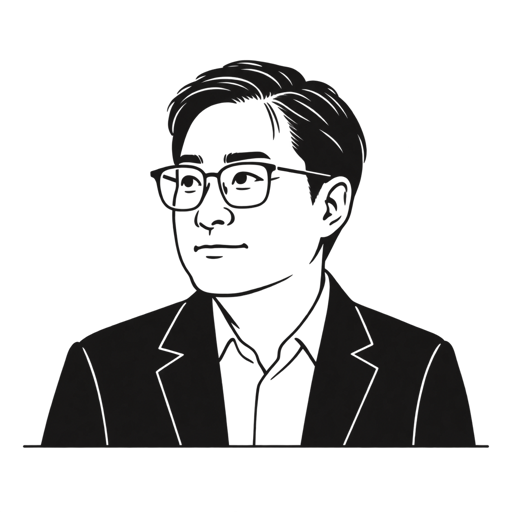
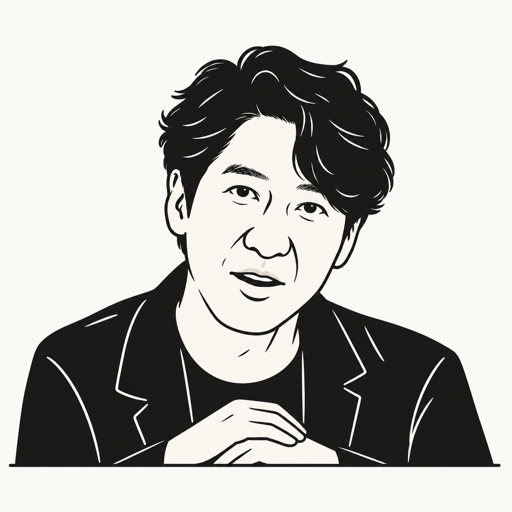
Park Si-dong and Lee Gwang-su discussed high interest rates, anxiety over AI investment and market trust, starting from the premise that it is difficult to identify a single definitive cause of the stock market plunge. Park Si-dong explained that rising financing costs and profitability concerns at AI data-center companies may have affected investor sentiment toward related companies and the Korean semiconductor market. Lee Gwang-su argued that corporate earnings alone could not explain the scale of the decline, interpreting it as an excessive reflection of anxiety as expectations of, and trust in, market reform faltered. Choi Seo-young described the fear of experiencing a plunge while hoping for a recovery and the sense of loss felt as someone emotionally invested in the market, calling for communication that acknowledged the situation together. Park Si-dong pointed to foreign selling, weakening sentiment among individual investors and insufficient attention and reform measures from political leaders, while Lee Gwang-su suggested there was scope to restore trust through sustained government messaging and concrete action. Discussion of specific policies was deferred to the next installment. These are the guests' market interpretations and policy proposals, not a confirmed recovery outlook or advice to any individual to buy or sell.
READING GUIDE
Lead story keywords
- 01Stock market plunge
- 02AI investment anxiety
- 03Investor sentiment
- 04Market reform
More perspectivesTHE REST OF THE DAY
04 / Meet at Noon
Weak Semiconductor Trading Flows, the Solidigm Listing Controversy and Interpretations of Corporate Earnings

Lee Gwang-su, Park Si-dong and Kwon Da-young discussed semiconductor profit-taking, changing preferences for AI hardware, concentration in large-cap stocks and the chain effects of cash-equity, futures and ETF flows amid KOSPI weakness and foreign selling at the time of the broadcast. They noted that foreign investors cannot be treated as a single investment actor and raised the possibilities that selling was nearing its end and that the market was near a bottom. They also offered an outlook that the losses could be recovered, while saying they would need to watch further before judging whether there was a sustained uptrend or recovery. Discussing reports of preparations for a US listing of Solidigm, they criticized the implications for existing SK hynix shareholders' interests and corporate governance, while also relaying the company's position that nothing had been decided and reports of authorities examining duplicate listings. The suggestion that listing gains could shift to the controlling company was panel speculation. On CXMT's preliminary results, they stressed the distinction between profit margins and technological or cost competitiveness and said the formal report needed to be checked. They also compared Samsung Electro-Mechanics' substrate orders with Hyundai Rotem's weak earnings, contract delays and exchange-rate risks. They introduced overseas institutions' interpretations that the correction was ending and deleveraging was taking place, as well as Howard Marks's views on the AI bubble debate, but also discussed oil-price, interest-rate and volatility risks. They also addressed calls to revise the mandatory tender offer system. The participants said they do not recommend individual stocks, engage in joint investments, request fees or run investment chat rooms, and warned viewers about AI impersonation and promises to recover losses. This is a summary of views aired on the program, not investment guidance or a guarantee of returns or recovery.
This source includes automatic captions. They may contain errors and are not a verified transcript.
05 / The Hong Sa-hoon Show
Presidential Communication, a Structural Majority, Tax Reform and the Democratic Party's Role
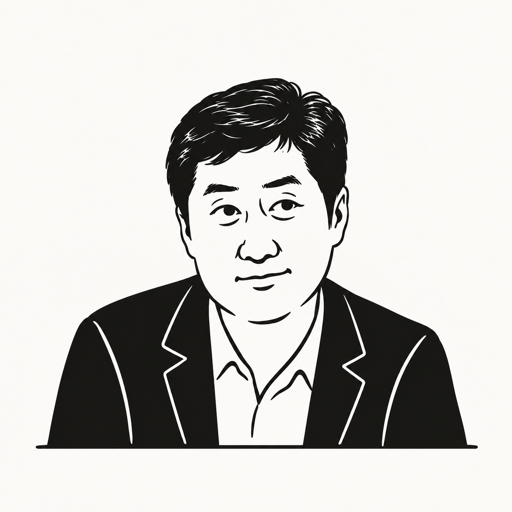
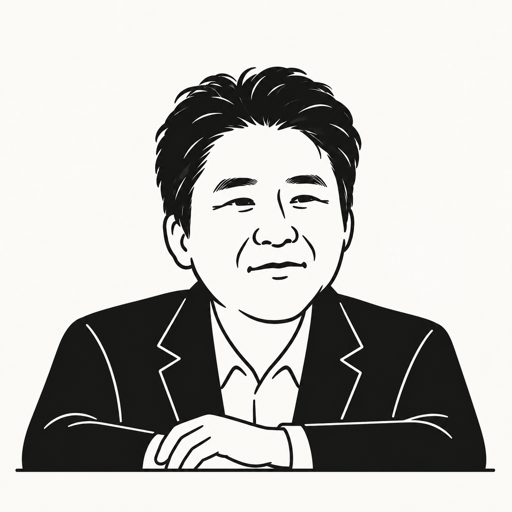
Hong Sa-hoon, Park Gyu-hwan and Jung Pil-seung questioned the basis for allegations of mass party enrollment by Shincheonji members and whether these had been reported within the party or made public. Views differed between calling for an immediate apology and first checking the claim that there was substance to the allegations. They then assessed the president's impromptu press meeting positively while discussing why the president's self-assessment of 'overconfidence' diverged from supporters' expectations. The participants pointed to inadequate explanations of policy and personnel changes and examined how the ideas of a 'structural majority' and being 'president for everyone' could coexist with reform, redistribution and the existing support base. The discussion included a view emphasizing the president's policy partisanship and an explanation distinguishing the executive's law-enforcement role from the legislature's responsibility for policy. Using property-tax changes, prosecution reform and personnel conflicts as examples, they criticized not only the president but also the Democratic Party's responsibility for legislation and coordination. While recognizing social media's role in policy communication, they argued that ambiguous political language and responses to critics required more considered wording and mediation by aides. The interpretation that recurring controversies were being deliberately exploited met with the counter-question of what benefit that would bring. They appreciated the transparency of public cabinet meetings but worried about the repercussions of impromptu directives, explicitly stating that they did not know whether the directive in question had been coordinated in advance.
This source includes automatic captions. They may contain errors and are not a verified transcript.
06 / Five O'Clock with Lee Jae-seok
The Final Aricell Ruling, Protection for Public-Interest Whistleblowers and Legislation for New Technologies
- Lee Jae-seok
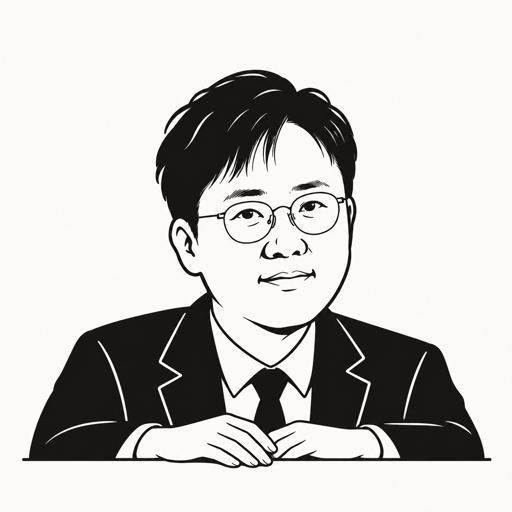 AI generated
- Lee Bong-woo
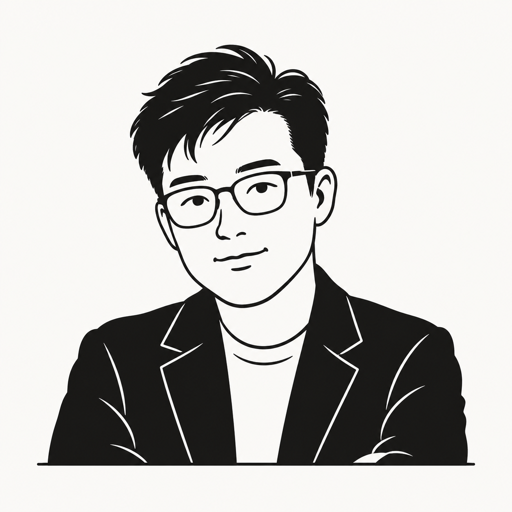 AI generated
- Cho Ho-jeCaricature pending
- Kim Jung-hwanCaricature pending
The participants relayed breaking news of a fire in Yeoksam-dong and plans for the appeals verdict and live broadcast in Mayor Oh Se-hoon's Political Funds Act case, discussing differences from a ruling in another case on whether the provision of opinion polls constituted an economic benefit. Introducing a complaint alleging kickbacks and concealment involving the Hangang Bus and the whistleblower side's claim of retaliatory personnel action, they also covered Oh Se-hoon's explanation concerning a staff conflict and the representative's rebuttal. After examining the head of the Serious Crimes Investigation Agency's attendance at a cabinet meeting, a report of fewer fatal occupational accidents and proposed legislation for preventive economic sanctions, they relayed reports that the Aricell chief executive and the executive's son, the general manager, had each received 15 years at first instance, reduced on appeal to four and seven years respectively, with those sentences finalized by the Supreme Court. They distinguished the reasons given for partial acquittals on safety measures and consideration of settlements from the bereaved families' demand for severe punishment and the first-instance court's different assessment. Kim Jung-hwan criticized limits on Supreme Court review, while the participants also acknowledged that they had not checked the written judgment. They added the party concerned's denial to breaking news about alleged inducement of false survey responses involving Sisa Tapa and later corrected the account to say police were waiting for a lawyer and had not yet executed the search. In Cho Ho-je's final segment, they discussed amendments to traffic law and legislative gaps on the assumption that flying cars became commercially available.
This source includes automatic captions. They may contain errors and are not a verified transcript.
07 / Joo Jin-woo Live
Disclosure of Investigative Materials, Hangang Bus Parliamentary Audit Issues, and Discussion of Cho Hee-dae's Impeachment and Special-Prosecutor Legislation
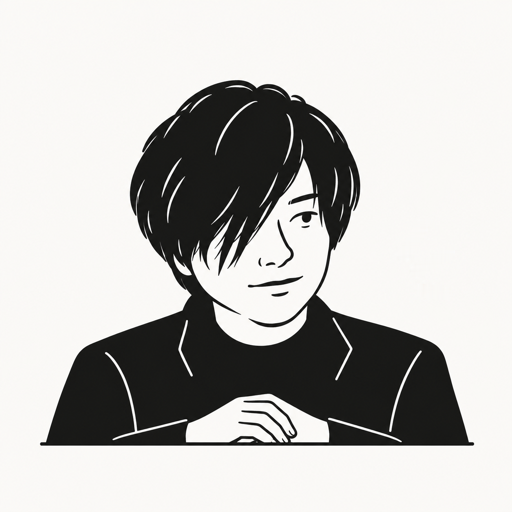
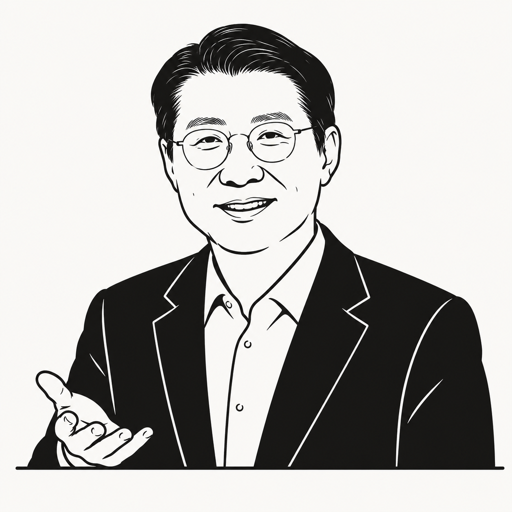
Joo Jin-woo and Kim Ye-ni examined parliamentary audit answers concerning Han Dong-hoon's disclosure of investigative materials, also relaying the explanation that no indications of a leak by Prosecution Office staff had been established. On the Hangang Bus allegations, they covered both Oh Se-hoon's rebuttal that no detailed report had been received and the whistleblower side's claims about reporting and a request for investigation. They also commented on Han Hak-ja's bail conditions and political parties' remarks on security, welfare and foreign nationals. The conversation between Kim Hyung-yeon and the host focused on the unveiling and pursuit of a motion to impeach Cho Hee-dae, renewed recommendations of Supreme Court justices and the president's appointment authority, and trust in trials. The full-bench ruling, vacancies among Supreme Court justices, budget execution and issues over the parliamentary audit oath and materials were presented as the participants' claimed grounds for impeachment, not as meaning that the National Assembly had voted for impeachment or the Constitutional Court had upheld it. A reference to the past Shin Young-chul affair as an impeachment case followed the on-air correction that it had not proceeded as far as impeachment. Alongside concerns about Kim Keon-hee's release, a view was offered that actual release was unlikely in light of the existing criteria for detention decisions. Later, they discussed the third special-prosecutor bill concerning Han Dong-hoon, its aim of establishing the circumstances of leaks of investigative secrets and personal information, and prosecutors' authority to request warrants. They distinguished the allegations involving a child in the earlier special-prosecutor legislation from this information-leak issue; anecdotes about former prosecutors' use of information include both participants' claims of firsthand observation and indirect accounts, and are not asserted as independently verified facts.
This source includes automatic captions. They may contain errors and are not a verified transcript.
Original sources (Korean)
- Uncertainty Over the Causes of the Stock Market Plunge, Investor Sentiment and Trust in PolicyOriginal source (Korean)https://humblefactory.co.kr/12437/2026년-10월-20일-화-주식아가방-박시동-경제평론가·12시에/
- Kim Keon-hee's Detention Procedures, Discussion of Cho Hee-dae's Impeachment, International Cooperation and Leaks of Investigative InformationOriginal source (Korean)https://humblefactory.co.kr/12439/2026년-10월-20일-화-퍼니포-조국혁신당-조희대-탄핵소추안/
- Choi Jong-seon's Recollections of Preserving Records and an Investigation Control Unit, and Calls for Further Fact-FindingOriginal source (Korean)https://humblefactory.co.kr/12441/2026년-10월-20일-화-봉지욱-기자·매봉쇼-진행자-최종선-전/
- Weak Semiconductor Trading Flows, the Solidigm Listing Controversy and Interpretations of Corporate EarningsOriginal source (Korean)https://www.youtube.com/watch?v=Z8CjsU6kUh8
This source includes automatic captions. They may contain errors and are not a verified transcript.
- Presidential Communication, a Structural Majority, Tax Reform and the Democratic Party's RoleOriginal source (Korean)https://www.youtube.com/watch?v=aBGLlrMPEQM
This source includes automatic captions. They may contain errors and are not a verified transcript.
- The Final Aricell Ruling, Protection for Public-Interest Whistleblowers and Legislation for New TechnologiesOriginal source (Korean)https://www.youtube.com/watch?v=7qxcLe1BYd4
This source includes automatic captions. They may contain errors and are not a verified transcript.
- Disclosure of Investigative Materials, Hangang Bus Parliamentary Audit Issues, and Discussion of Cho Hee-dae's Impeachment and Special-Prosecutor LegislationOriginal source (Korean)https://www.youtube.com/watch?v=rBay0sYzspM
This source includes automatic captions. They may contain errors and are not a verified transcript.