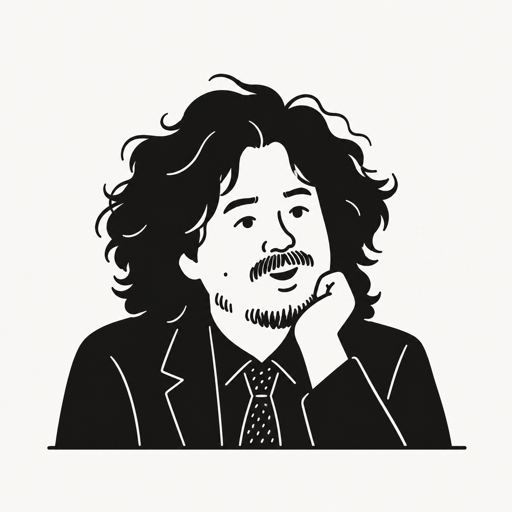
 User-provided artwork
Protests in France, Approval trends and Recovery of wartime operational control
A fan’s reflection
I was humbled by their insight.
This unofficial fan edition translates our reviewed Korean editorial summaries, not full broadcast transcripts. It is not an official programme publication or independent fact-checking. Statements and viewpoints remain attributable to the original speakers; consult the linked Korean sources for context.
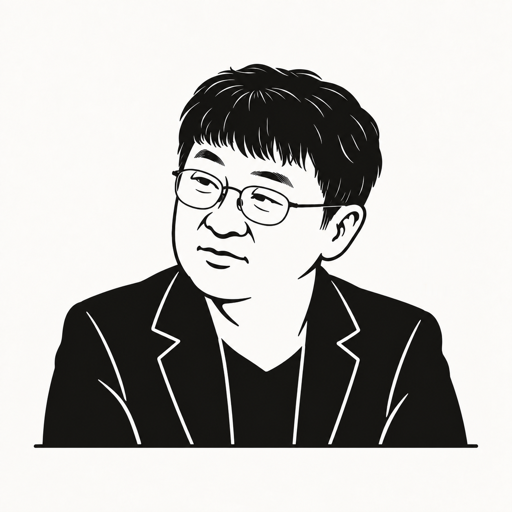
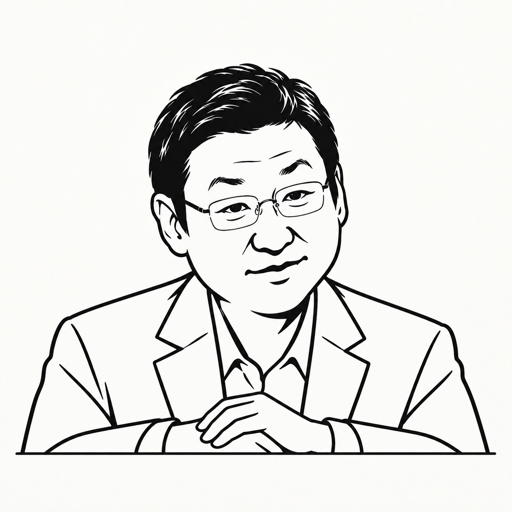
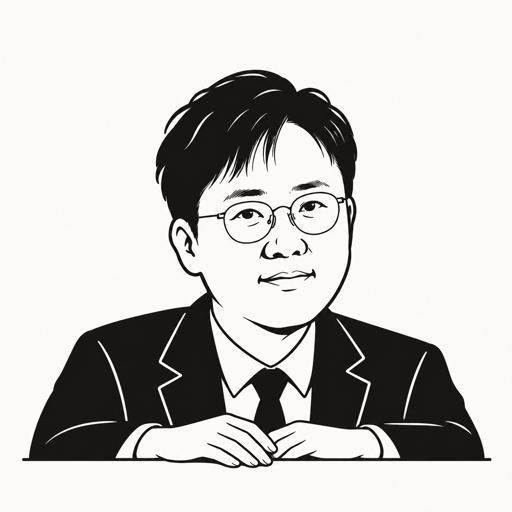
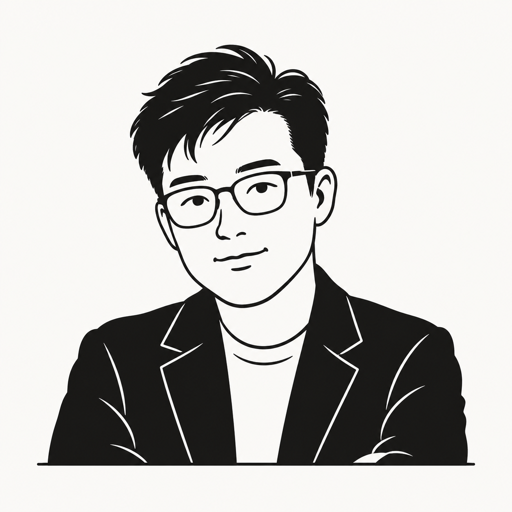
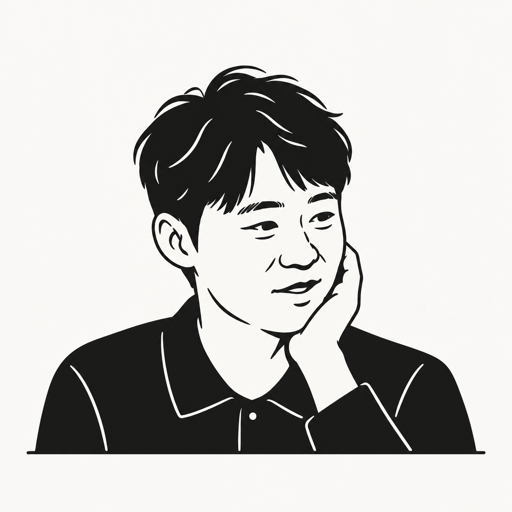
Guest names use editorial romanizations. Korean identities remain available in portrait descriptions and linked Korean profiles. Illustrations are caricatures, not photographs.
01 / Brief Interview
The educational conditions behind France’s protests, their spread, and local responses
Lee Jin-seon reported that protests that began at a high school in Créteil, France, against poor educational conditions had spread nationwide. Lee cited unfilled teaching posts and difficulties securing substitute teachers in public schools, aging facilities and school closures during heat waves, and frequent changes to the admissions system as sources of student dissatisfaction, explaining that teachers’ strikes and school closures prompted by fears of damage had also affected the situation. Lee said civic groups and labor unions dissatisfied with high prices, high fuel costs, and low wages had joined, and that strikes and rallies spreading from one sector to another were a common pattern in France. On local responses, Lee reported that Macron had condemned violence and looting and mentioned restrictions on rallies, protection for shops, and compensation. Lee went on to explain that the far right was attacking the government’s handling of immigrants and appealing for support in the presidential election, while citizens were concerned about damage to shops and children injured during the protests.
READING GUIDE
Lead story keywords
- 01Protests in France
- 02Public education conditions
- 03Cost-of-living grievances
- 04Local responses
More perspectivesTHE REST OF THE DAY
04 / Funny Four
Hangang Bus allegations and investigative gaps, warrants in the Kim Keon-hee case, and debate over impeaching Cho Hee-dae
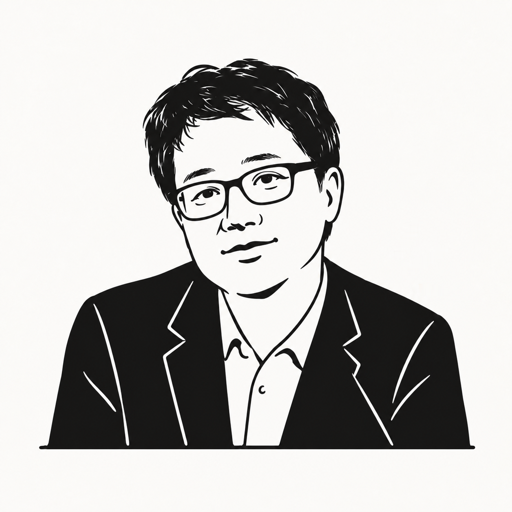
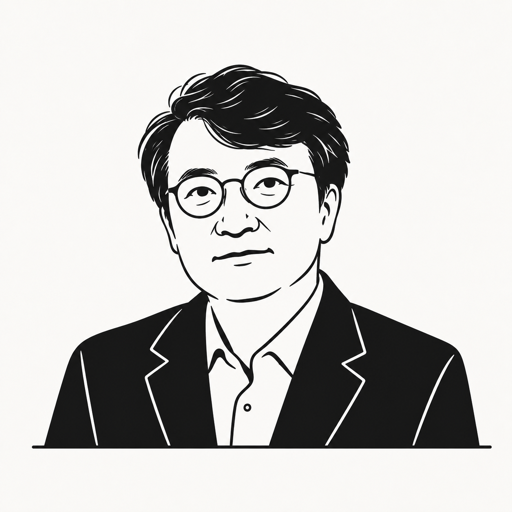
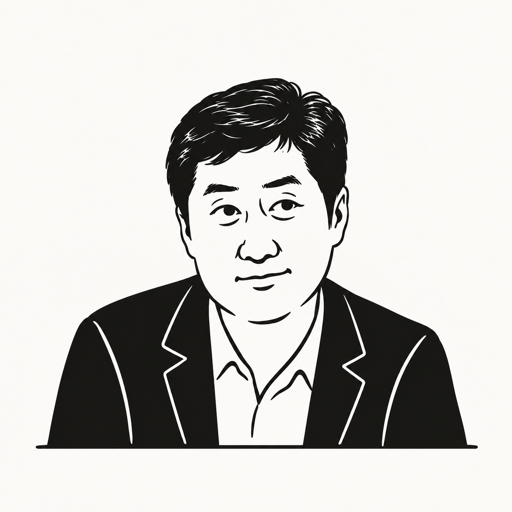
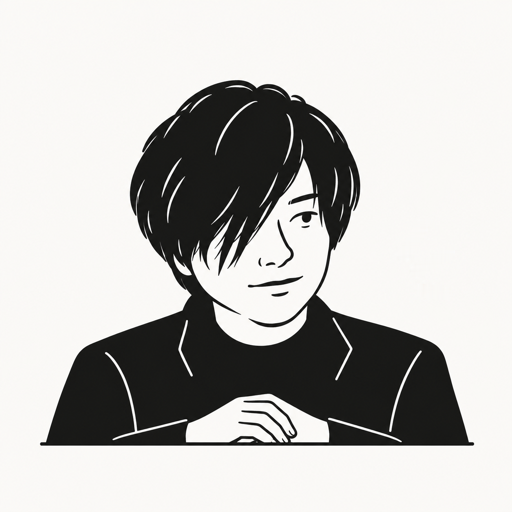
Park Joo-min outlined allegations concerning the selection of the Hangang Bus operator and financial transactions, claiming that the Seoul Metropolitan Government had omitted its internal investigation materials from its request for a Board of Audit and Inspection audit, delayed referring the matter for investigation, and that there had also been instructions to destroy documents. Hong Sa-hoon questioned the funding channels and the background to the selection, Kim Eui-kyeom questioned the relationship between the cost structure and safety, and Joo Jin-woo criticized investigative delays. The discussion also covered Seoul’s explanation that it had continued its internal investigation and the sequence in which it referred the matter for investigation after the parliamentary audit. Discussing the Han Dong-hoon party-member message-board case and the vacant police commissioner post, Park explained that appointments were being prepared after vetting the leadership. Later, Kim distinguished between the possibilities of warrants being issued by a Supreme Court panel and by two trial divisions at the Seoul Central District Court in the Kim Keon-hee case. The participants discussed case assignment, hearing schedules, and impeachment of Cho Hee-dae. The objections of Kim Keon-hee’s defense team to an additional warrant were also presented. Claims that a release was intended or that the subsequent resumption of a trial had already been planned were interpretations by Kim Eo-jun, Hong, and others, not established court decisions. The participants also disputed claims that impeachment would lead to Yoon Suk Yeol’s release or halt all Supreme Court proceedings.
05 / Interview Workshop 1
Recollections of the Choi Jong-gil case and a proposal to reexamine past investigation records
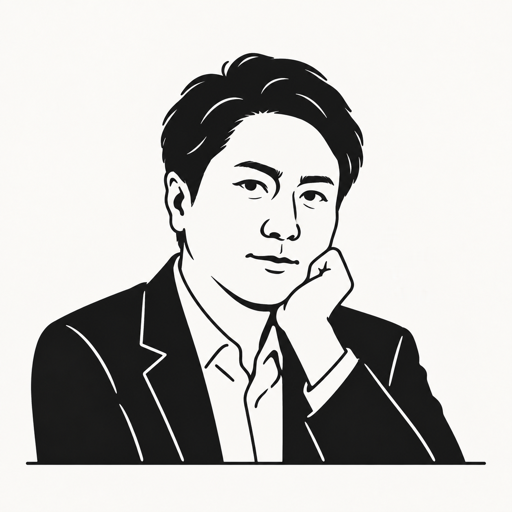
Choi Jong-seon recounted the events from the time Choi’s older brother, Professor Choi Jong-gil, entered the Korean Central Intelligence Agency to cooperate with an inquiry until the notification of the professor’s death, drawing on memories as both an inspectorate officer at the time and a bereaved family member. Choi said the circumstances of the death had not been witnessed directly, recalling that after hearing the explanation of suicide by jumping, Choi had gone to the foot of the building but seen no traces. Choi explained that, fearing for the family’s safety, the family had sought to hold a quiet funeral on the condition that the professor would not be publicly identified as a spy, but that after seeing a broadcast announcing the professor as a spy, Choi had entered a psychiatric ward to leave a written record. Bong Ji-wook introduced the book that inspired the film Assassins and the personal writings from that time, and relayed an account alleging political pressure to halt the film’s promotion. Bong then argued for examining the related investigation records together and expressed an intention to seek a Truth and Reconciliation Commission reexamination and pursue a retrial through Moon Se-gwang’s bereaved family. This appearance centered on recollections of the Choi Jong-gil case; the substantive account of the Moon Se-gwang investigation announced in the title was deferred to the next appearance.
06 / Longevity Forum
Mutual adjustment in caregiving, expressing pain, and respect for care work
- Choi Myung-ki
 AI generated
- Lee Sun-min
 AI generated
- Jung Jae-hoon
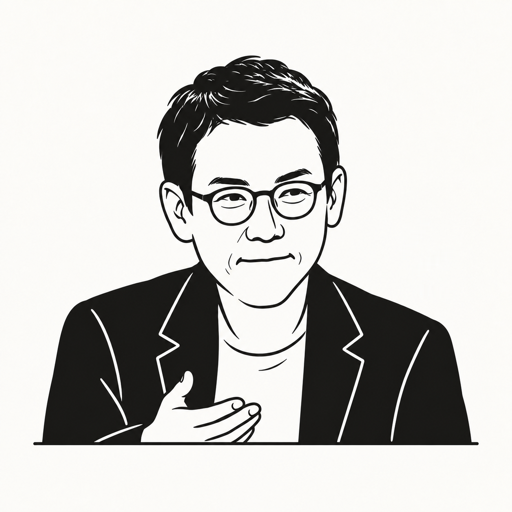 AI generated
- Kang Ji-yeonCaricature pending
Kang Ji-yeon stressed that the “ability to receive care” was not limited to end-of-life care and did not mean ranking people as better or worse patients. Within the limit that an ill person cannot be compelled to be considerate of others, Kang described it as mutual adjustment through sharing preferences and discomfort and building relationships. Lee Sun-min said specific expressions between saying pain was bearable and saying it hurt provided a link for care-related judgments. Choi Myung-ki explained that suffering might not be outwardly visible, so expressing and recording changes in symptoms could help clinical care, and discussed differences in accepting help through Choi’s own interpretation of different types. Kang explained that the ward Kang had observed was in a tertiary hospital, with patients still receiving treatment, and differed from hospice care. Kang said art therapy could not resolve all longstanding emotional burdens, but could offer an opportunity to express gratitude and forgiveness. Jung Jae-hoon emphasized respectful forms of address and respect for care workers, while Lee introduced the burden of home-based care on older spouses and examples of support for family caregiving. Eligibility and benefit conditions were not verified. This is a summary of statements made on the broadcast, not medical or caregiving guidance.
07 / Meet at Noon
Interpreting AI investment and interest-rate risks, and debate over protecting ordinary shareholders
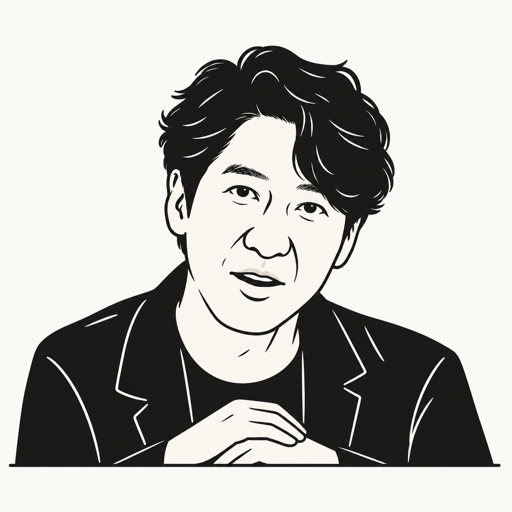
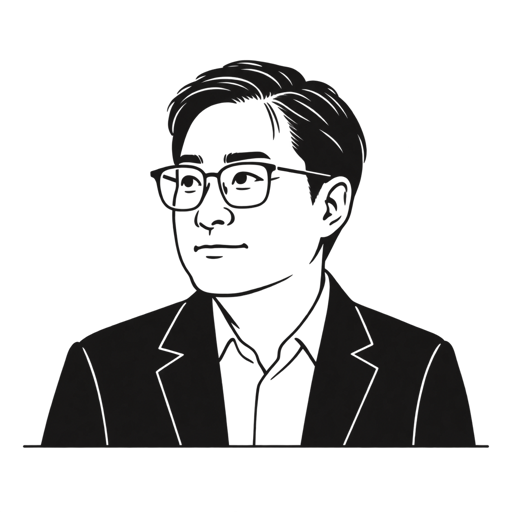

After Kwon Da-young reported weakness in semiconductor stocks and concerns about AI infrastructure investment, Lee Gwang-su and Park Si-dong compared opposing interpretations of hedge funds’ profit-taking and remaining holdings: the possibility that selling was ending versus the risk of further selling. The participants discussed financing costs at CoreWeave and Oracle, electricity bottlenecks at data centers, and the potential impact of France’s fiscal and political instability on interest rates, distinguishing warning signs from a confirmed bankruptcy. They considered big-tech earnings, securities firms’ downside scenarios, and reports on energy storage system demand and Chinese companies, while also noting uncertainty in the outlook. Later, Lee and Park criticized the mandatory tender-offer proposal as insufficient to protect ordinary shareholders, calling for reconsideration of the system and equal treatment among shareholders. This is a fan-edited summary based on a review of Korean auto-captions, not an independent verification of the broadcast’s market interpretations or explanations of legislation, or investment advice.
This source includes automatic captions. They may contain errors and are not a verified transcript.
08 / The Hong Sa-hoon Show
Kim Keon-hee’s detention, presidential trial issues, fire-service funding, and opening Cabinet meetings to the public
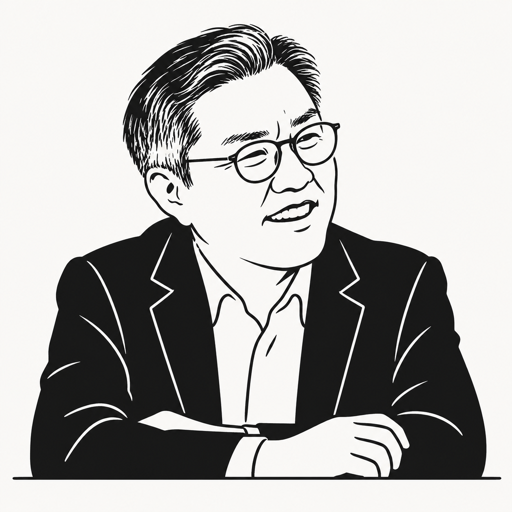
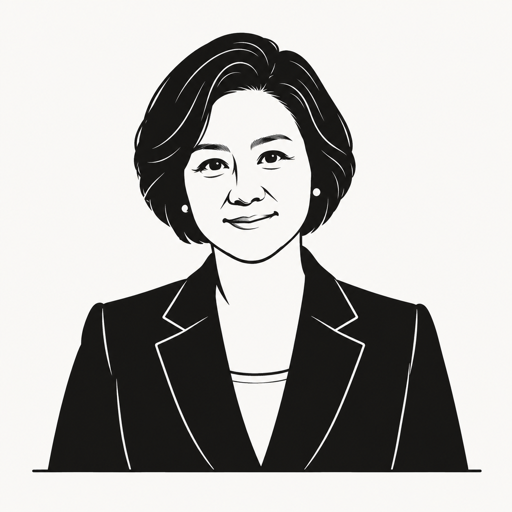
Hong Sa-hoon, Choi Kang-wook, and Cho Su-jin discussed an additional warrant and the trial court’s responsibility as the end of Kim Keon-hee’s detention period approached. Views diverged between concern over the risk of release and expectations that an additional detention warrant would be issued. On the possibility of President Lee Jae-myung’s trials resuming, calls for vigilance also faced arguments that this would be constitutionally difficult. The participants examined debate over impeaching Chief Justice Cho Hee-dae, abolishing the National Court Administration, and the effects and limits of amendments to the Criminal Procedure Act, criticizing the Democratic Party’s response. While considering Governor Choo Mi-ae’s wording on fire-service funding wrong, they argued that the discussion also needed to address the financial burden concentrated on local governments following the transition to national civil-servant status, along with central-government support and securing funding. They called for concrete evidence and disclosure of investigation results concerning allegations of mass party enrollment by Shincheonji members. Early in the broadcast, participants stated that they had spoken by phone in the past, but explained that they had not verified the authenticity of an online conversation screenshot. Later discussion of live-streaming Cabinet meetings considered both the transparency and preparation benefits of openness and the difficulty of freely expressing dissent, proposing adjustments to the frequency of public meetings or parallel closed-door discussion.
This source includes automatic captions. They may contain errors and are not a verified transcript.
09 / Five O'Clock with Lee Jae-seok
Fire-service funding, presidential communication, media criticism, and allegations concerning a Seoul audit
- Lee Jae-seok
 AI generated
- Lee Bong-woo
 AI generated
- Park Hyun-kwang
 AI generated
- Jang Seul-gi
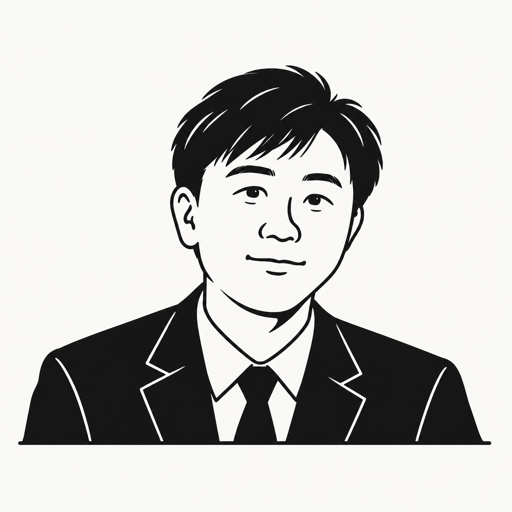 AI generated
- Kwak Su-san
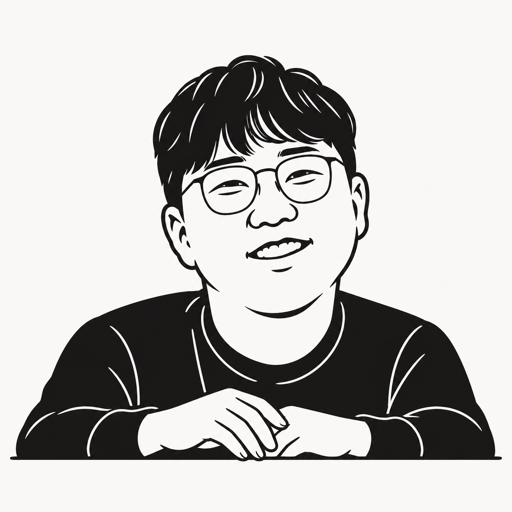 AI generated
Lee Jae-seok, Lee Bong-woo, Park Hyun-kwang, Jang Seul-gi, and Kwak Su-san reported on the funeral for firefighters who died in the line of duty in the Bucheon fire, and discussed fire-service funding still concentrated on local governments after the transition to national civil-servant status, as well as aging equipment. Addressing Governor Choo Mi-ae’s inappropriate wording and apology, they presented both criticism of budget cuts and Gyeonggi Province’s explanation citing reduced central support and changes in how events were held. On opinion polls, they distinguished the organizations’ polling methods and sample sizes, noting the small samples behind results broken down by political support. In debates over live-streaming Cabinet meetings and the president’s social media, they discussed the advantages of direct communication alongside an environment for hearing dissent, partisan conflict arising from reshared posts, and mocking thumbnails and biased commentary on news outlets’ YouTube channels. On allegations involving Seoul’s vessel project, they presented side by side a public-interest whistleblower’s claims concerning reporting and instructions to destroy materials and the Seoul government’s denial, and critically examined Mayor Oh Se-hoon’s explanation of brokerage fees and the timing of the referral for investigation. Finally, they introduced remarks at a discussion meeting that the president should represent the whole community, while also discussing supporters’ disappointment and the criteria for inclusiveness.
This source includes automatic captions. They may contain errors and are not a verified transcript.
10 / Joo Jin-woo Live
Investigative fairness, Seoul parliamentary-audit issues, judicial accountability, and inter-Korean relations
Host Joo Jin-woo and commentator Kim Ye-ni examined allegations of prosecutors’ involvement in the investigation of Kim Keon-hee alongside an account of the special counsel’s indictment, questioning the fairness of the investigation and prosecution at trial. They criticized Seoul’s response to alleged Hangang Bus rebates and its handling of audit requests and investigation referrals, while also reporting that Oh Se-hoon had countered during the parliamentary audit that there was no evidence of rebates. They then commented on investigation procedures involving Han Dong-hoon’s child, controversy over Chief Justice Cho Hee-dae’s official expenses, remarks concerning wartime operational control and territory, and protests in France. In the conversation between Democratic Party lawmaker Park Jie-won and the host, they discussed the position that the party should acknowledge mistakes and apologize, as well as both the need to pursue Cho’s impeachment and concerns about a backlash. On inter-Korean relations, they opposed resuming loudspeaker broadcasts because of harm to border residents and emphasized the transfer of wartime operational control and the role of the South Korea–United States alliance. They were cautious about the immediate prospects for a North Korea–United States summit and, while judging a full-scale war unlikely, left open the possibility of localized clashes. Assessments of military strength and prospects for talks are identified as the participants’ views. Later, they also exchanged views on agricultural and fishing communities’ crop conditions and rice prices.
This source includes automatic captions. They may contain errors and are not a verified transcript.
Original sources (Korean)
- The educational conditions behind France’s protests, their spread, and local responsesOriginal source (Korean)https://humblefactory.co.kr/12424/2026년-10월-19일-월-잠깐만-인터뷰-전화연결-이진선-17년차/
- Support trends by polling method and assessments of diplomatic, judicial, and appointment issuesOriginal source (Korean)https://humblefactory.co.kr/12426/2026년-10월-19일-월-여론조사-박시영-박시영tv-대표-이택수/
- Disagreements over recovering wartime operational control and expanding the Cheonghae Unit’s remit, and Japan’s enemy-state clauses debateOriginal source (Korean)https://humblefactory.co.kr/12429/2026년-10월-19일-월-겸손-nsc-美-브런슨-전작권-전환-새-기준/
- Hangang Bus allegations and investigative gaps, warrants in the Kim Keon-hee case, and debate over impeaching Cho Hee-daeOriginal source (Korean)https://humblefactory.co.kr/12431/2026년-10월-19일-월-퍼니포-오세훈-한강버스-비리-은폐/
- Recollections of the Choi Jong-gil case and a proposal to reexamine past investigation recordsOriginal source (Korean)https://humblefactory.co.kr/12433/2026년-10월-19일-월-봉지욱-기자·매봉쇼-진행자-최종선-전/
- Mutual adjustment in caregiving, expressing pain, and respect for care workOriginal source (Korean)https://humblefactory.co.kr/12435/2026년-10월-19일-월-백세위원회-누구나-돌봄이-필요한-삶/
- Interpreting AI investment and interest-rate risks, and debate over protecting ordinary shareholdersOriginal source (Korean)https://www.youtube.com/watch?v=uZL6T-kY-rk
This source includes automatic captions. They may contain errors and are not a verified transcript.
- Kim Keon-hee’s detention, presidential trial issues, fire-service funding, and opening Cabinet meetings to the publicOriginal source (Korean)https://www.youtube.com/watch?v=rxzYQssg02c
This source includes automatic captions. They may contain errors and are not a verified transcript.
- Fire-service funding, presidential communication, media criticism, and allegations concerning a Seoul auditOriginal source (Korean)https://www.youtube.com/watch?v=5Bc2Ct4y3_M
This source includes automatic captions. They may contain errors and are not a verified transcript.
- Investigative fairness, Seoul parliamentary-audit issues, judicial accountability, and inter-Korean relationsOriginal source (Korean)https://www.youtube.com/watch?v=SeqsidFBonA
This source includes automatic captions. They may contain errors and are not a verified transcript.